Six visions that haunt me
Denis Villeneuve
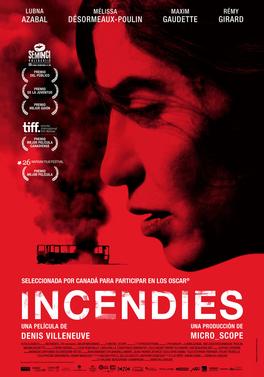
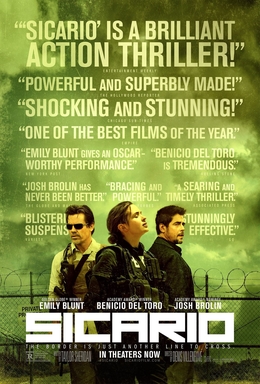
Villeneuve constructs cinema as a meditative encounter with the sublime — vast, slow, vertiginous. Where other directors rush to explain, he lingers in the liminal. From the haunted ambiguity of Incendies to the geological patience of Dune, his frames breathe with a kind of cosmic dread. He understands that silence is its own dialogue, and that the most devastating revelations arrive not with a bang but with a held breath. His aesthetic is ruthlessly architectural — every scene a cathedral, every cut a door closing on something irretrievably lost.


Wong Kar-wai
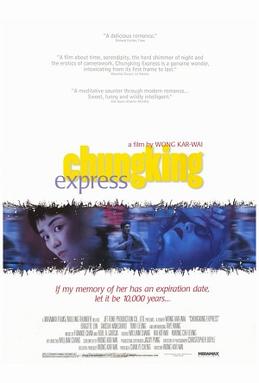
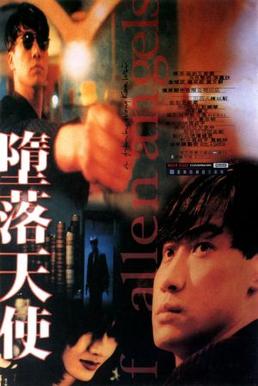
Wong Kar-wai is a poet of urban solitude. His films are made of rain and neon, of faces glimpsed in passing, of loves that exist only in the amber light of a Hong Kong corridor. He shoots without scripts, improvising entire films from pure feeling, often rewriting a movie in the edit. The step-printing blur, Doyle's swooning handheld, the obsessive calendrical timestamps — everything conspires to make you feel time as a physical weight. To watch In the Mood for Love or Happy Together is to be homesick for a place you have never been, for a love you have never had.



Stanley Kubrick
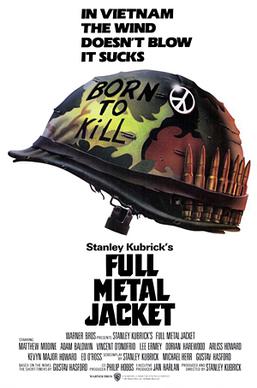
Kubrick is the cinema's supreme perfectionist: a man who once shot a single scene 127 times, who relit an entire set because a shadow fell two inches wrong. But the obsession was never vanity; it was in service of something genuinely terrifying: the idea that human beings are fundamentally irrational creatures dressed in the costume of reason. From the bone-to-spacecraft cut of 2001 to the hedge maze of The Shining to the parade-ground geometry of Full Metal Jacket, his films share a cold, clinical gaze that implicates the viewer in whatever horror unfolds. He made genre films that destroyed their genres from within. He asked, without flinching, whether we deserve to survive.



Andrei Tarkovsky
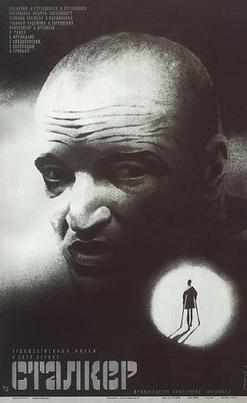
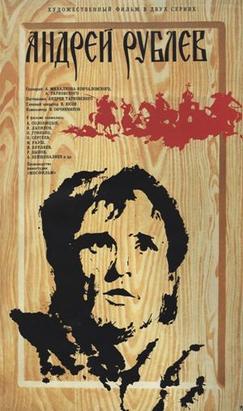
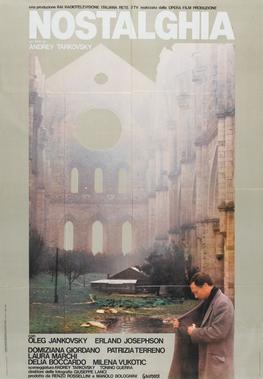
Tarkovsky believed cinema was the only art form capable of sculpting time itself, not representing it, but physically shaping its texture, weight, and passage. His films move like memory: slowly, associatively, with the logic of dreams rather than plots. Water runs through everything: over floors, through ceilings, across faces, as if the material world is slowly dissolving back into something primordial. Stalker is the most precise film ever made about faith and doubt. Andrei Rublev is a meditation on art's survival through catastrophe. Solaris asks whether we can ever truly encounter anything beyond the projections of our own longing. To watch Tarkovsky is to be reminded that cinema, at its most serious, is a form of prayer.


The Beauty of Akira
Katsuhiro Otomo's Akira (1988) is not merely an animated film rather a tectonic event in the history of cinema. Hand-drawn at 24fps with 327 distinct shades of colour, 2212 shots, and lip-sync dialogue recorded before animation (the opposite of usual anime practice), it represents a level of craftsmanship that may never be replicated. Neo-Tokyo is a living organism of societal collapse, government conspiracy, and youth rage. The film's final act, as Tetsuo's body unravels into organic horror, remains the most disturbing and genuinely affecting sequence in animation history. It is simultaneously a punk rock manifesto and a meditation on the atomic sublime.

Akira Kurosawa
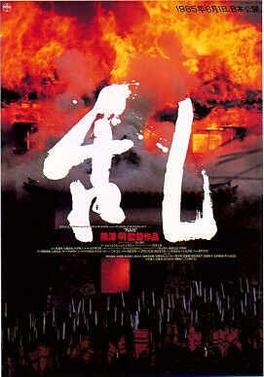
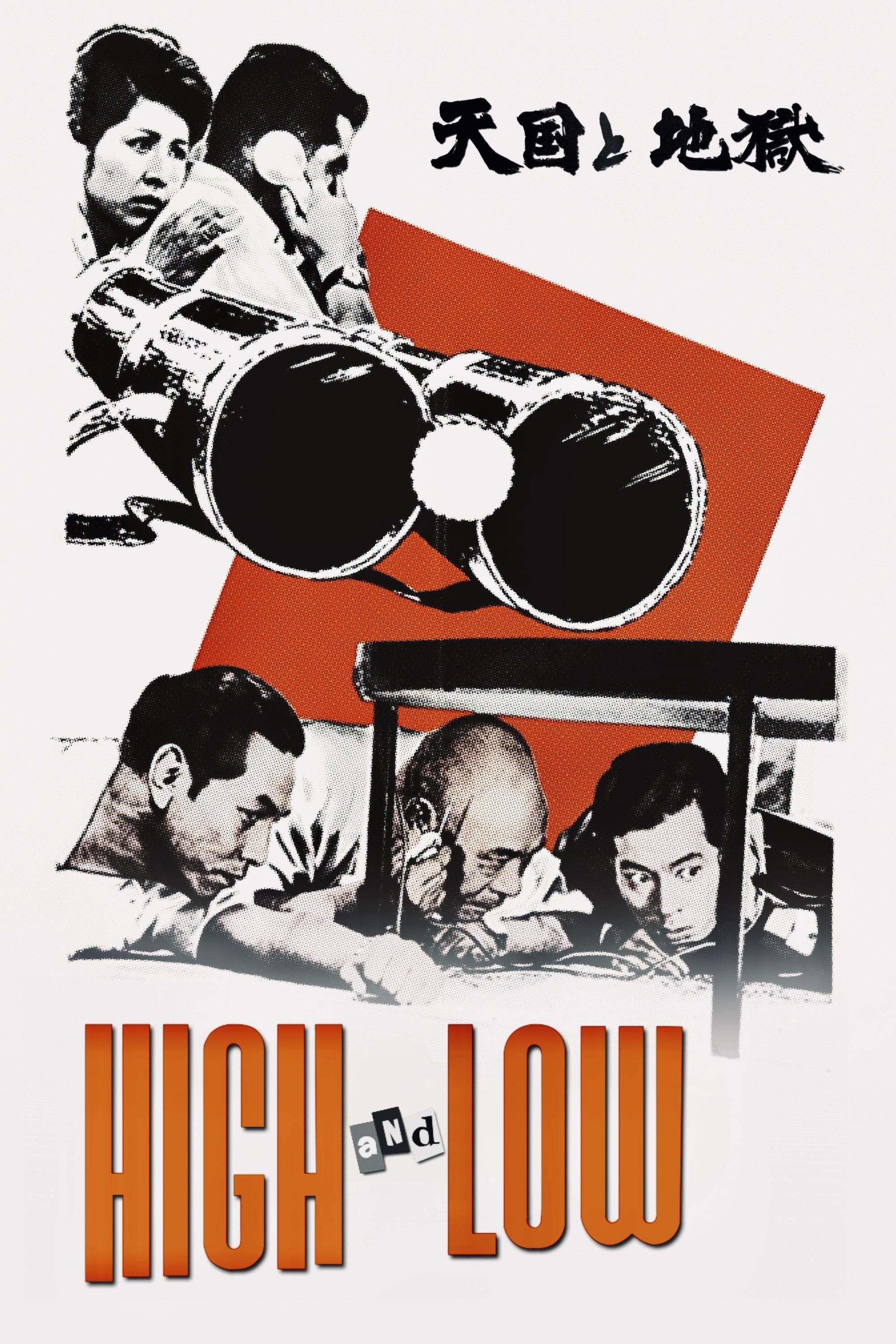
Kurosawa is cinema's greatest teacher. His films are lessons in how light becomes moral weight, how rain becomes grief, how the movement of bodies through space can express the entire tragedy of the human condition. He invented the grammar that everyone else borrowed: the telephoto compression, the weather as emotional climate, the psychological depth of ensemble. Seven Samurai contains every action film ever made. Rashomon contains every philosophical thriller. Ran contains all of Shakespeare. He filmed the world as if it had never been filmed before, and it is impossible to watch him without feeling both humbled and electrified.